Carlos Alcaraz stunned the sports world when he reversed his earlier retirement announcement, speaking candidly about the internal battles that nearly ended his career. His unexpected confession created a wave of reactions ranging from relief to heartbreak across the global tennis community.
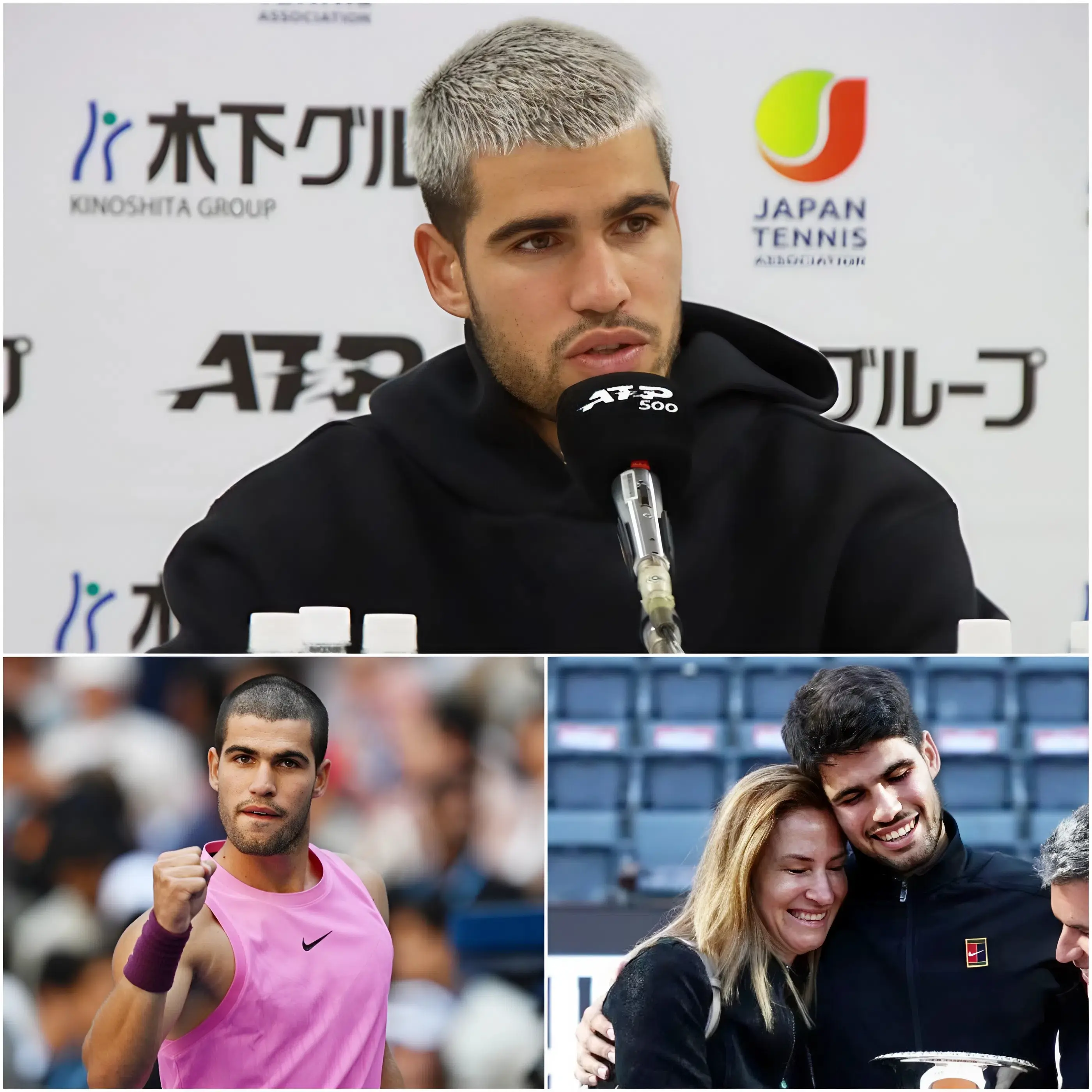
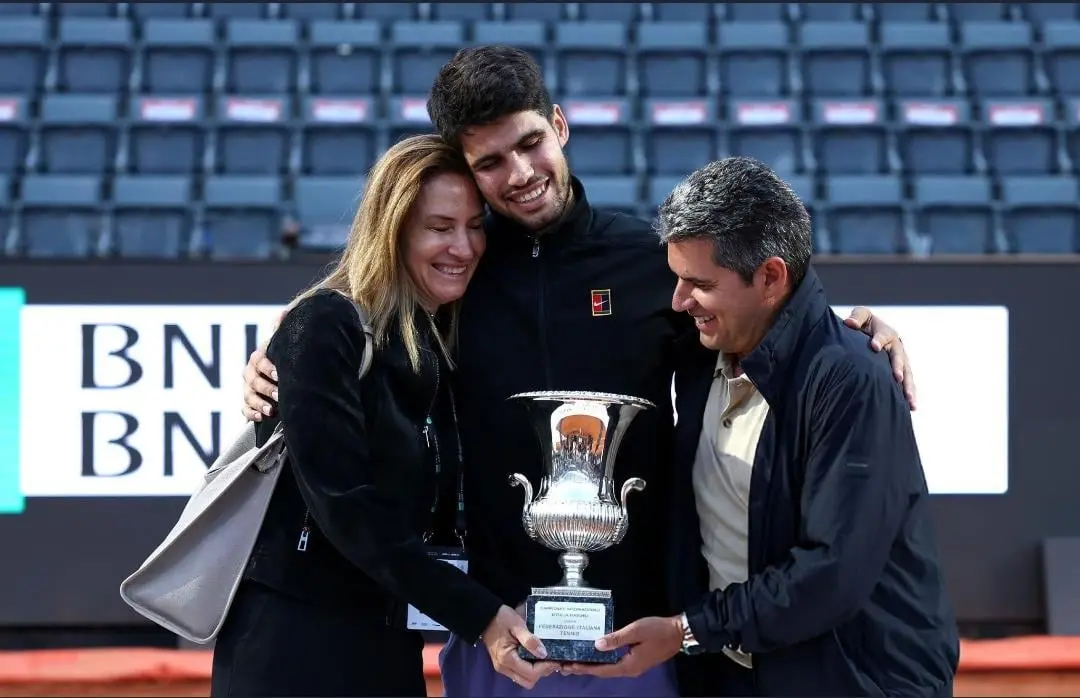
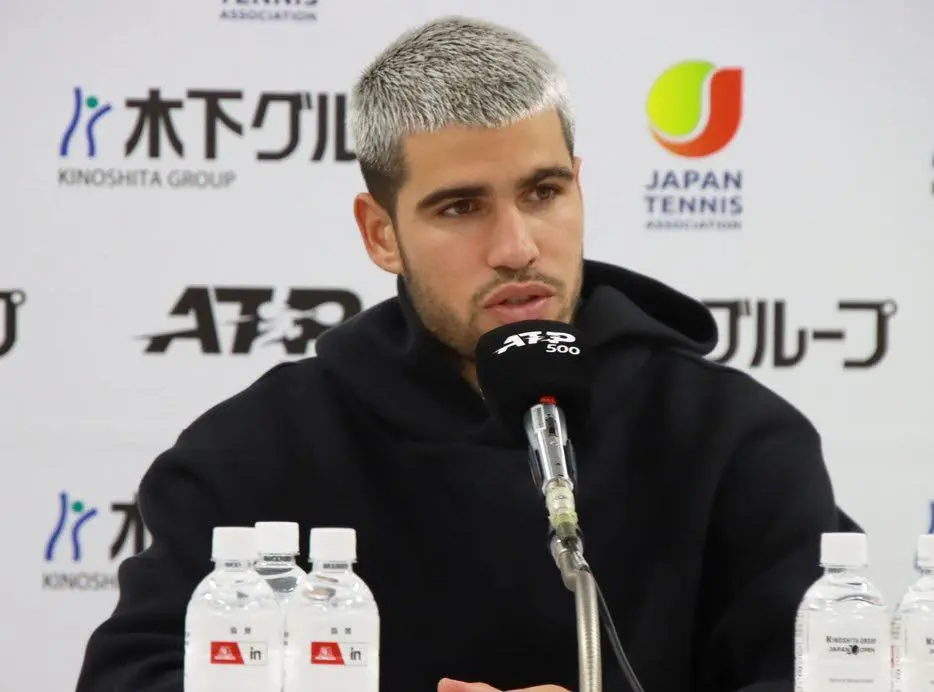
Standing beside his mother during the emotional press conference, Alcaraz admitted that the pressures of fame, expectations, and physical strain had driven him to a breaking point. He described the moment as the lowest valley of his young but intense professional journey.
The crowd gathered outside his home in Villena listened in silence as he explained that the retirement message had not been fully thought through. It had emerged from exhaustion rather than clarity, and he regretted causing panic among his supporters.
According to Alcaraz, months away from competition forced him to confront his health in ways he had never allowed himself to before. He spoke about sleepless nights, recurring fatigue, and waves of stress strong enough to interrupt his training routines.
During his time off, he consulted several specialists who helped him understand the seriousness of his physical and emotional struggles. The revelation surprised fans who had never suspected anything beneath his energetic persona and constant competitive fire.
Alcaraz emphasized that stepping back from tennis made him feel disconnected from the identity he had built since childhood. The absence of routine, competition, and purpose left him questioning everything he had ever worked for.
He described how his mother became his anchor, reminding him of the joy he once felt when playing on small village courts. Her emotional support gave him courage during moments when he doubted whether he would ever pick up a racket again.
In the press conference, Alcaraz confessed that the thought of returning to tennis once felt terrifying. He worried that his body might fail him again or that he could not meet the expectations surrounding his name.
Yet despite the fear, he began rebuilding his confidence step by step. Gentle morning exercises became daily habits, slowly reconnecting him with the physical rhythm he had lost. Each completed routine felt like a small personal victory.
His doctors encouraged him to embrace recovery rather than fight against it. Their guidance helped him understand that rest, rather than intensity, was the missing piece in his career approach, something he had overlooked for years.
Alcaraz explained that the pressure to perform had overshadowed his love for the sport. For a long time, he felt he was playing for rankings, critics, and obligations rather than for himself, which eroded his mental resilience.
When he finally announced his retirement, he believed it was the only way to escape the invisible cage surrounding him. However, isolation revealed how deeply tennis was interwoven with his identity and emotional wellbeing.
Realizing that he truly missed the game became the turning point. He understood that passion still lived within him, hidden beneath exhaustion and fear. That rediscovery sparked the first genuine hope he had felt in months.
As he announced his planned return in the summer of 2026, his voice carried renewed determination. He stated that he would not rush the comeback but would follow a carefully designed program focused on longevity and balance.
Coaches who had worked with him since his junior years expressed relief upon hearing his decision. They believed the break offered him a valuable chance to reset physically and mentally, potentially extending his career significantly.
Alcaraz also mentioned that he had restructured his training team. He added new specialists who prioritize mental preparation, nutrition, and injury prevention, ensuring he approaches tennis with a healthier and more sustainable mindset.
He admitted that he once ignored signs of burnout, pushing through pain because he feared appearing weak. Now, he sees vulnerability as a necessary part of maturity, allowing him to rebuild stronger foundations.
Fans across Spain reacted with overwhelming support, filling social media with encouragement and emotional messages. Many expressed gratitude that Alcaraz chose to share his struggle instead of hiding behind polished public statements.
International players also reached out privately, congratulating him on his honesty. Some admitted they had faced similar battles, though they never felt brave enough to speak about them openly without fear of criticism.
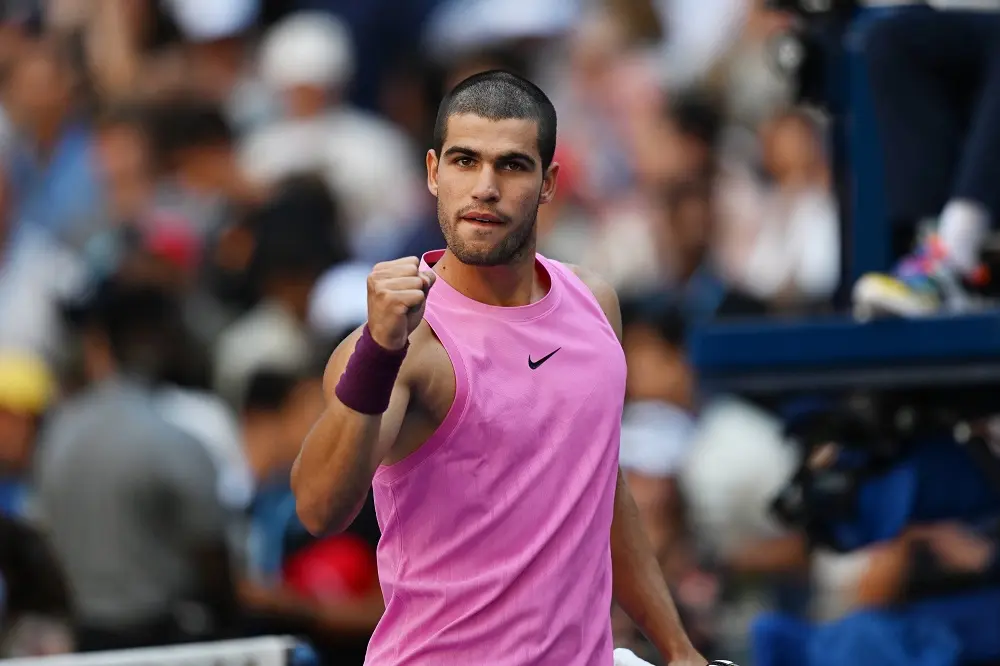
Alcaraz’s decision to return adds a new chapter to a career already filled with dramatic highs and lows. Observers believe his comeback will attract global attention, especially because of the transparency surrounding his recovery journey.
He made it clear that victories and trophies were no longer his primary motivation. Instead, he wanted to rediscover the excitement of competing, the satisfaction of improvement, and the simple joy of stepping onto a court.
At the press conference, he acknowledged that public expectations could rise again once he reenters the tour. However, he promised not to let external pressure shape his decisions or dictate the pace of his career.
His mother, holding his hand tightly, whispered encouragement throughout the event. Her presence symbolized the emotional foundation he leaned on during moments when everything else felt uncertain and frightening.
For now, Alcaraz is focusing on strengthening his body, rebalancing his schedule, and staying connected to the people who supported him unconditionally. He believes these elements will protect him from repeating past mistakes.
The tennis world will be watching closely as he prepares for the next phase of his journey. His story stands as a reminder that even champions face silent battles, and recovery is also a form of strength.
Alcaraz concluded the conference by promising that his return would reflect a new version of himself. He said he hoped fans would not only cheer for his victories but also understand the humanity behind every step forward.
