Unison’s election results struck Labour like a blow. Andrea Egan, a fierce critic of Starmer’s centrist trajectory, won decisively with 60% of the vote, ousting the incumbent who maintained a more traditional, cooperative stance toward the party. This overwhelming mandate reflects broad union member dissatisfaction with Labour’s current path.
The importance of Unison in British politics cannot be overstated. It represents nurses, care workers, teaching assistants, and local government employees—vital public service roles. Traditionally a Labour stronghold, Unison’s financial contributions have backed the party with millions, including £1.5 million during last year’s campaign alone.
Egan’s victory threatens to dismantle this cozy funding relationship. Her campaign platform openly condemned Unison’s past “subservience” to Labour and promised a rigorous reassessment of the union’s political alliances. This is not a subtle warning but a public declaration of intent to realign support based on accountability and genuine progressive politics.
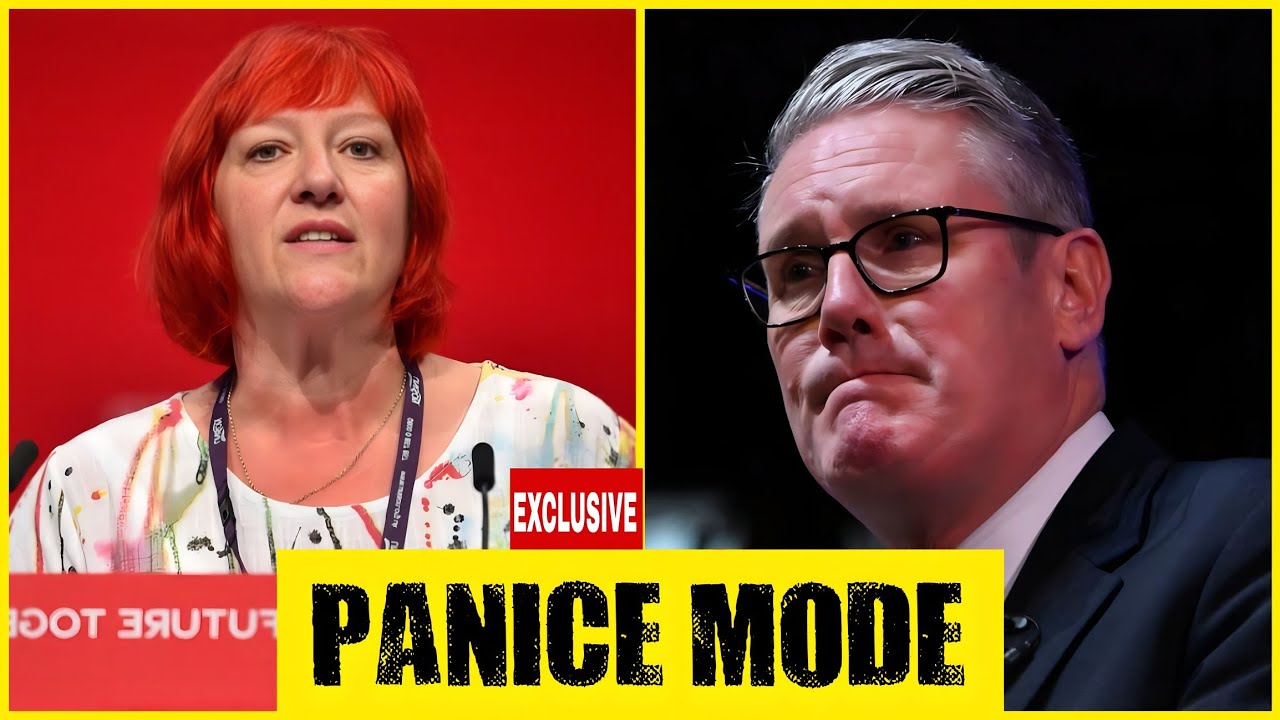
The newly appointed general secretary’s rhetoric is clear and confrontational. Egan intends to withdraw financial backing from Labour MPs who fail to oppose welfare cuts and policies undermining the living standards of union members. This hardline stance directly challenges Labour’s recent centrist and sometimes unpopular policy decisions under Starmer’s leadership.
For Starmer, the timing couldn’t be worse. Already grappling with poor polling figures, internal party dissent, and public dissatisfaction, losing Unison’s unconditional backing intensifies pressures ahead of crucial local and by-elections. Campaign resources are essential, and now funding will come with stringent political conditions, restricting Labour’s tactical flexibility.
Adding to the political 𝒹𝓇𝒶𝓂𝒶, Andrea Egan was expelled from the Labour party in 2022 due to her leftwing views. Yet she now commands an organization that once stood as a pillar of Labour’s financial empire, a paradox that underscores the growing disconnect between the party leadership and its traditional union base.
This fracture is emblematic of wider tensions across the UK’s trade union movement. Other major unions like Unite and the communications and rail unions have exhibited growing skepticism towards Labour’s moderate shift. Egan’s victory signals a rising tide of union activism demanding authentic representation and accountability from the party they helped build.
Egan publicly endorsed Jeremy Corbyn’s new party during her campaign, further deepening the ideological rift with Starmer’s Labour. Corbyn’s welcoming tweet, promising solidarity “on the picket line,” underscored the existential challenge posed by a resurgent left-wing movement gaining influence within key labor institutions.
The stakes go beyond funding and policy. This moment signifies a potential redefinition of Labour’s relationship with the trade union movement. For decades they shared a symbiotic alliance, but the unions now seek greater leverage, demanding tangible policy commitments in exchange for political and financial support.
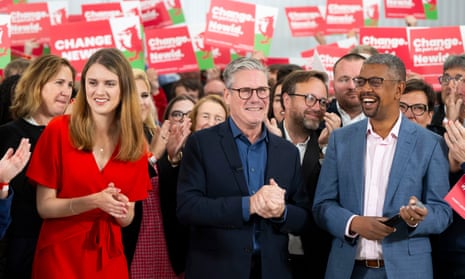
Labour faces a stark dilemma: persist with its centrist appeal to broader electorates at the risk of alienating its core union supporters, or shift leftward to regain those vital ties but possibly jeopardize moderate voter support. This balancing act is increasingly precarious amid mounting internal and external pressures.
Starmer entered office promising stability and pragmatic governance. Instead, he confronts rebellious unions, plummeting poll numbers, and escalating factional strife within his party. The loss of a key union ally’s unquestioning support casts a shadow over his premiership and complicates efforts to unify Labour ahead of upcoming elections.
Andrea Egan’s election exemplifies union democracy in action, with members explicitly choosing a leadership that prioritizes their interests over traditional party loyalty. This underscores the unions’ evolving role: from Labour backers to autonomous actors demanding accountability and responsiveness to member needs.
This seismic shift in Labour-union relations will profoundly shape British politics. The party must now navigate uncharted waters, balancing electoral viability with reinvigorated union demands, in a high-stakes battle for both working-class support and political survival in an increasingly volatile landscape.
The coming months will reveal whether Labour can reconcile these internal conflicts or face further erosion of its traditional foundations. Meanwhile, Andrea Egan’s Unison stands poised to wield its financial and organizational power as a formidable force for change within the British left. The 𝒹𝓇𝒶𝓂𝒶 has only just begun.